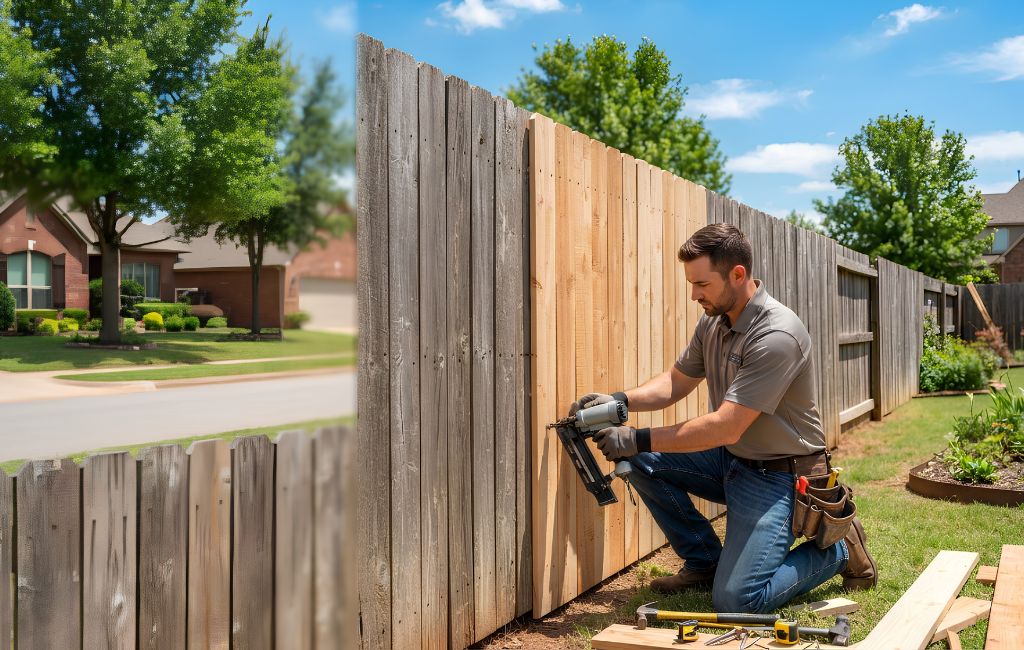
Oklahoma weather has a habit of testing backyard structures, and fences often take the brunt of it. High winds, sudden hailstorms, and shifting soil can loosen posts, crack panels, and warp gates within just a few seasons. Fence repair becomes less of an occasional chore and more of a routine part of homeownership in areas where storms roll through with little warning. Understanding what causes damage — and how to address it before it spreads — helps property owners protect both curb appeal and long-term value.
Common Causes of Fence Damage
Fences rarely fail all at once. Damage tends to build gradually, often starting with small issues that go unnoticed until a section finally gives way.
Weather-Related Wear
Wind gusts exceeding 40 mph are not unusual in central Oklahoma, and repeated exposure loosens fasteners and shifts wooden posts out of alignment. Freeze-thaw cycles during winter months also cause soil to expand and contract, which slowly pushes posts upward or sideways.
Material Fatigue
Wood swells and contracts with moisture changes, leading to warping, splitting, and rot near the base of posts. Metal fencing, while more durable, can rust at weld points or hinges if protective coatings wear thin over time.
Ground and Soil Movement
Clay-heavy soil, common throughout the region, expands significantly when saturated and shrinks during dry spells. This constant movement places pressure on buried post footings, gradually loosening even well-installed fences.
Signs a Fence Needs Attention
Catching problems early typically means a simpler, less expensive fix. A few warning signs are worth checking for regularly:
- Leaning or wobbling posts, especially after heavy rain
- Visible cracks or splintering along wooden panels
- Gates that no longer latch or swing evenly
- Rust spots or discoloration on metal components
- Gaps forming between panels or pickets
Addressing these signs promptly prevents small issues from turning into full section replacements, which cost considerably more in both time and materials.
Repair Versus Replacement
Not every damaged fence needs to be torn out entirely. In many cases, isolated repairs restore both function and appearance without the expense of a full rebuild.
When Repair Makes Sense
If damage is limited to a few posts, panels, or hardware pieces, targeted repair is usually the more practical route. Replacing a single rotted post or resetting a leaning section can extend the life of an otherwise sound fence by several years.
When Replacement Is the Better Option
Widespread rot, extensive rust, or structural instability across multiple sections often signals that repair costs will approach or exceed the price of a new installation. In these cases, a full replacement provides better long-term value and reduces the likelihood of repeat repairs.
Seasonal Timing for Repairs
Timing plays a bigger role in fence maintenance than many property owners realize. Late spring and early fall tend to offer the most favorable conditions, since the ground is neither frozen nor oversaturated, allowing for stable post-setting. Attempting repairs during extreme heat or immediately after heavy rainfall can compromise the strength of new footings.
Frequently Asked Questions
- How long does a typical fence repair take? Minor repairs, such as replacing a post or panel, are usually completed within a few hours to a full day, depending on the extent of the damage.
- Can a leaning fence be fixed without full replacement? Yes, in most cases, a leaning post can be reset, reinforced with concrete, or replaced individually without affecting the rest of the fence line.
- Is wood or metal fencing easier to repair? Wood is generally simpler to patch or replace in sections, while metal fencing often requires specialized tools for welding or hardware replacement.
- How often should a fence be inspected? A seasonal check, particularly after major storms, helps catch early signs of wear before they develop into larger structural issues.
Final Thoughts
A well-maintained fence does more than mark property lines — it supports privacy, security, and overall home value. Regular inspections, prompt attention to early warning signs, and timing repairs around favorable weather conditions all contribute to a longer-lasting structure. For homeowners in Edmond, OK, staying ahead of routine wear is far more cost-effective than waiting for a full section to fail.